
🩸 Intestinal Ischemia: Types, Causes, & Management
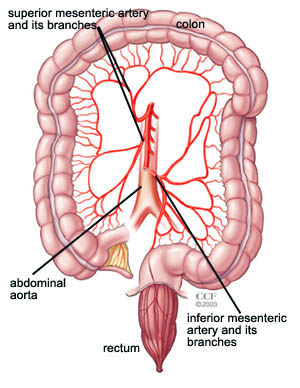
Intestinal ischemia is a critical medical condition that occurs when blood flow to the intestines is significantly reduced or entirely blocked. This restriction deprives the highly metabolic intestinal tissues of essential oxygen and nutrients. If left untreated, ischemia rapidly progresses to cellular death (necrosis), tissue gangrene, and life-threatening systemic infection.
🔬 Classification: Acute vs. Chronic
Intestinal ischemia is primarily categorized by its speed of onset and underlying vascular mechanism:
⚡ Acute Mesenteric Ischemia (AMI)
-
Onset: Sudden, severe, and catastrophic.
-
Mechanism: An abrupt blockage of the mesenteric arteries, typically by an embolus (a blood clot traveling from elsewhere in the body) or a local thrombus.
-
Clinical Window: Requires immediate, emergency intervention within hours to prevent irreversible bowel gangrene.
🐌 Chronic Mesenteric Ischemia (CMI)
-
Onset: Gradual, progressive, and long-term.
-
Mechanism: Commonly driven by atherosclerosis (the systemic buildup of fatty plaque within the arterial walls), which progressively narrows the blood vessels over months or years.
-
Clinical Presentation: Often manifests as severe abdominal pain starting 30–60 minutes after eating (intestinal angina), leading to a fear of food and significant weight loss.
🔍 Etiology & Causes
The disruption of intestinal blood flow can originate from mechanical obstructions, arterial blockages, venous failures, or systemic circulatory collapse:
-
⚡ Embolus: A blood clot breaks free from the heart or major central vessels and travels into the mesenteric circulation. Individuals with a history of heart attacks or cardiac arrhythmias like Atrial Fibrillation (A-Fib) are at exceptionally high risk.
-
💥 Arterial Thrombosis: Plaque buildup (atherosclerosis) completely occludes the intestinal arteries. This is fundamentally the gastrointestinal equivalent of a heart attack.
-
🌀 Venous Thrombosis: A blood clot blocks the mesenteric veins responsible for carrying blood away from the intestines. This backpressure prevents new, oxygenated arterial blood from entering. It is most prevalent in individuals with liver disease, cancer, or hypercoagulable (blood-clotting) disorders.
-
🩻 Mechanical Strangulation: * Hernias: A section of the intestine slips through a muscle defect and becomes trapped or strangled.
-
Adhesions: Sticky fibrous scar tissue from past abdominal surgeries wraps around and constricts the bowel.
-
-
📉 Non-Occlusive Ischemia (Low Blood Pressure): Severe hypotension (shock) in critically ill patients can cut off blood supply to the gut. If a patient already has partially narrowed arteries, a drop in blood pressure acts like dropping the water pressure in a partially clogged hose.
📋 Signs & Symptoms
The hallmark sign of acute intestinal ischemia is abdominal pain out of proportion to the physical exam (the patient experiences agonizing, deep pain, but the doctor’s touch does not initially reveal localized rigidity).
Other classic symptoms include:
-
Frequent diarrhea (which may become bloody as the intestinal lining sloughs off)
-
Persistent nausea and violent vomiting
-
High fever (indicating advancing tissue damage or systemic infection)
🩺 Diagnostic Protocols
Because early-stage ischemia does not always present with distinct physical markings, a combination of laboratory and advanced imaging tools is necessary:
-
🧪 Laboratory Tests: Blood work typically reveals a profoundly elevated White Blood Cell (WBC) count, indicating severe inflammation/infection, along with metabolic acidosis (heightened bloodstream acidity caused by tissue starvation).
-
📷 Computed Tomography (CT) Scan: An abdominal CT scan with contrast is frequently used to assess bowel wall thickening, tracking fluid collection, or identifying pockets of gas inside the intestinal wall (pneumatosis intestinalis).
-
🩻 Mesenteric Angiography: The gold standard imaging technique for visualizing actual blood flow through the vessels and pinpointing the exact location of a clot or structural narrowing.
⚠️ Diagnostic Note: While laboratory and imaging tests provide invaluable data, they are not always 100% definitive early on. If clinical suspicion remains high despite negative scans, an exploratory laparotomy (emergency surgery) is the most reliable way to definitively diagnose and visualize the ischemia.
🏥 Treatment, Complications, & Outcomes
Intestinal ischemia is a grave, time-sensitive medical emergency. Delayed intervention allows spilled bacteria to breach the damaged gut wall, causing peritonitis (severe abdominal lining inflammation) and rapid sepsis (bloodstream infection).
[ Mesenteric Blockage ] ──▶ [ Intestinal Necrosis ] ──▶ [ Peritonitis & Sepsis ] ──▶ [ High Mortality ]
🥼 Emergency Surgical Intervention
Treatment almost universally requires immediate surgery to restore blood flow and manage damaged tissue:
-
Vascular Revascularization: Surgeons attempt to remove the obstructing clot (embolectomy), bypass the blocked vessel, or place a stent to restore oxygen flow to the starving tissue.
-
Necrotic Bowel Resection: Any portion of the intestine that has already suffered irreversible tissue death (necrosis) must be surgically excised.
-
Reconnection or Ostomy: If the remaining bowel ends are healthy and well-perfused, they are reconnected (primary anastomosis). However, if there is widespread inflammation or peritonitis, a temporary or permanent colostomy or ileostomy (diverting the bowel to an external abdominal bag) will be constructed to allow the abdomen to heal.
🔮 Prognosis
The ultimate outcome depends entirely on how quickly the condition is recognized. When caught early and managed with swift surgical revascularization, a positive outcome can be achieved. However, if the condition progresses to full intestinal infarction and sepsis, it carries a very high mortality rate.